Pubblicato il 08/04/2020 07:01:37
"SE NON LO SO, POSSO INVENTARLO"
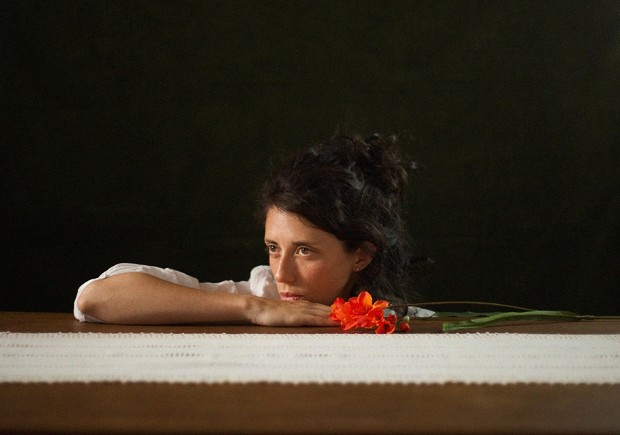
Con questa frase incredibilmente vera Catarina Vasconcelos, Regista di The Metamorphosis of Birds", offre l'opportunità di dare una dimensione a ciò che il Cinema rappresenta nella storia dell'Arte della fotografia, maestra di tutte le arti, e che oggi abbiamo a disposizione per il nostro piacere e la nostra 'meraviglia'. Perché il Cinema è la meraviglia che coglie e spesso sorprende tutti i nostri sensi e va oltre investendo anche quelli che sono i moti dell'anima, dal pensiero della mente, alle sensazioni più nascoste, dai sentimenti ai nostri sogni più volubili, fino a raggiungere quella sensibilità che spesso si rivela creativa.
Ma seguimo l'evoluzione di questa creatività dalle parole della stessa regista Catarina Vasconcelos intervistata per noi da Marta Balaga critica cinematografica per Cineuropa:
VILNIUS 2020
Catarina Vasconcelos • Regista di The Metamorphosis of Birds
"Se non lo so, posso inventarlo" di Marta Bałaga.
03/04/2020 - Cineuropa ha parlato con Catarina Vasconcelos di The Metamorphosis of Birds, il vincitore del Vilnius Film Festival, subito dopo la cerimonia di premiazione online
“I was happy that they managed to have a festival anyway, in such complicated and singular times,” Lisbon-born Catarina Vasconcelos told Cineuropa after her hybrid documentary The Metamorphosis of Birds [+] was named Best Film at the Vilnius Film Festival (see the news) for its portrayal of loss and family relations combined with gentle, poetic narration. “We need to keep on going!”
Cineuropa: When watching your film, you feel as if you could just close your eyes and listen to it instead. What was your thinking behind combining these stories with visual equivalents that are not always obvious?
Catarina Vasconcelos: It took me six years to make this film. I started with something personal, with my family, and then I got quite concerned – I didn’t want it to be just some family story that no one else could connect to. At the same time, I don’t come from a cinema background, so I had nothing to lose. I was able to try things out. I come from fine arts, and suddenly, I started to have all these visions, taking me back to paintings, for example. You know when you are completing a jigsaw puzzle and all of these elements start to come together? That’s how it happened here, in a very weird way.
You talk about people not understanding the concept of birds’ migration at first, but “what human beings can’t explain, they invent”. Is that something you also wanted to do with your family?
Definitely. My family was extremely generous when I started. I interviewed my uncles and aunts, but there were some things they wouldn’t tell me. At the beginning, it felt a bit harsh. “Why are they keeping these secrets?” And then I understood that’s how it works in families. There are some things you don’t say. But if I don’t know it, I can invent it. That’s what we do! Even when trying to find a cure for the coronavirus. I think there is a sense of that in the film: sometimes you have to invent things in order for them to exist.
You show a certain balance in the way nature reflects people’s lives. But nowadays, this balance is certainly off.
Thinking about death made me think about our relationship with nature. Because in nature, it’s something that just happens – death connects us all. Human beings, animals, plants. So is the experience of loss, as the elephants bury their own, too! Nature gave me hope, mostly because of its cycles. You have autumn, winter, but then comes the spring, and it feels like you are born again. One day, I was just staring at the leaves, thinking how similar they look to our skin, to what we are. I could relate to it so easily and make all these parallels – also between the funeral of the bird [shown in the film] and what we normally do when somebody passes away. I don’t know if you remember the first time you realised we are going to die. It can be quite shocking. Thinking about the bird makes these kids think about their father, but in that moment, they are surrounded by nature. That gives them some consolation, I think.
Despite all the seriousness, there are moments when you show your sense of humour. Like when a list of things women were “supposed” to do, like knitting, cooking or “taking care of the houses that belonged to men”, is interrupted by the noise of the hairdryer.
When I was doing the research about my grandmother, it ended up being research about women in the 1950s and 1960s in Portugal, during the dictatorship. Today, things are still quite unfair, but back then, it was just unbelievable. There was this idea that men ruled everything: their word was the word of God. But in my family, my grandmother was the one keeping everything together – my grandfather was always at sea! In the scene that you mention, the narrator also says, “Women get pregnant and they abort.” It was something that would happen all the time, but nobody would talk about it. Women just had to deal with it. I wanted to talk about it all even more.
You decided to share some very specific details, like your grandfather’s dying wish to burn all the letters addressed to your grandmother. Is it harder when you can’t hide behind some creative invention?
That’s a really good question. It was very hard to deal with his decision. From the moment I found out to the moment the letters were burnt, it took two years, but at the beginning, I was very angry. Then you go through all these stages of grief [laughs]. It was important to have it in the film as something beautiful, also because the actual burning wasn’t very special. But, as you know, if I can’t have it the way I want, I will invent it. I will make a memory I would like to keep. I showed the film to my family before all the festivals, and I was afraid of their reaction. But then one of my uncles told me something nice. He said: “Some things weren’t like this, but maybe they were.”
Vediamo ora cosa accade in casa nostra aspettando la Mostra del Cinema di Venezia, nell'articolo di Camillo De Marco per Cineuropa News:
VENEZIA 2020
Alberto Barbera, sulla 77. Mostra di Venezia: "Continuiamo a lavorare"
di Camillo De Marco.
07/04/2020 - Il festival è in standby per l'emergenza Covid19 ma non si ferma, pensa ad alcune iniziative virtuali e prevede diversi scenari. A maggio la decisone sulle date
La Mostra di Venezia va per la sua strada. Previsto dal 2 al 12 settembre, il festival è ancora in standby a causa dell'emergenza Covid19 ma lavora alla prossima edizione, con Cate Blanchett presidente di giuria (leggi la news), valutando anche la possibilità di usare le nuove tecnologie.
"Potrebbero esserci alcune iniziative virtuali, ma non certamente un intero festival virtuale, del resto una decisione in tal senso è prematura", riferisce a Cinecittà News l'ufficio stampa della Biennale. E lo stesso direttore artistico Alberto Barbera risponde all'agenzia giornalistica ANSA che gli chiede se intende seguire l'esempio del Toronto Film Festival (10-20 settembre), che prevede limitati eventi in sala e una più ampia rassegna solo digitale:
"Toronto è un'altra tipologia di festival non paragonabile a Cannes e Venezia e oggi poi non si può essere che generici sul futuro. Solo quando sapremo in tempi utili quello che si può fare e non fare prenderemo una decisione, ma una cosa è certa: qualsiasi cosa sia saremo pronti".
"Da parte nostra”, sottolinea Barbera, "continuiamo a lavorare esattamente come gli anni scorsi. Mancano ancora due mesi e davanti ci sono tre scenari possibili: quello più pessimistico con la pandemia ancora attiva che ci costringe a prendere un bell'anno sabbatico e mettere questa edizione 2020 tra parentesi. C'è poi lo scenario più ottimista, la pandemia si arresta e tutto torna come prima e, infine, quello intermedio che prevede dei vincoli che ora non possiamo prevedere e con i quali ci dovremo confrontare. Insomma sono variabili non da poco che richiederanno decisioni condivise, ma di fronte a dati certi. E questo prima di fine maggio".
Il direttore artistico di Venezia commenta quanto scritto su Le Monde qualche giorno fa, cioè che il ritardo di una rinuncia definitiva del Festival di Cannes da parte di Thierry Frémaux dipenda da una "partita a scacchi" tra lui e Barbera, per non rivelare, se non all'ultimo momento, i film acquisiti in selezione e non avvantaggiare l'antagonista: "Non è vero. Tutti gli anni cominciamo a vedere film da selezionare e sappiamo che molti sono stati proposti anche a Cannes. Il criterio per il quale il film approdi da noi o sulla Croisette sono altri, ci si divide i film secondo altre cose tra cui la loro disponibilità temporale e non".
(continua)
« indietro |
stampa |
invia ad un amico »
# 0 commenti: Leggi |
Commenta » |
commenta con il testo a fronte »
I testi, le immagini o i video pubblicati in questa pagina, laddove non facciano parte dei contenuti o del layout grafico gestiti direttamente da LaRecherche.it, sono da considerarsi pubblicati direttamente dall'autore Giorgio Mancinelli, dunque senza un filtro diretto della Redazione, che comunque esercita un controllo, ma qualcosa puó sfuggire, pertanto, qualora si ravvisassero attribuzioni non corrette di Opere o violazioni del diritto d'autore si invita a contattare direttamente la Redazione a questa e-mail: redazione@larecherche.it, indicando chiaramente la questione e riportando il collegamento a questa medesima pagina. Si ringrazia per la collaborazione.
|